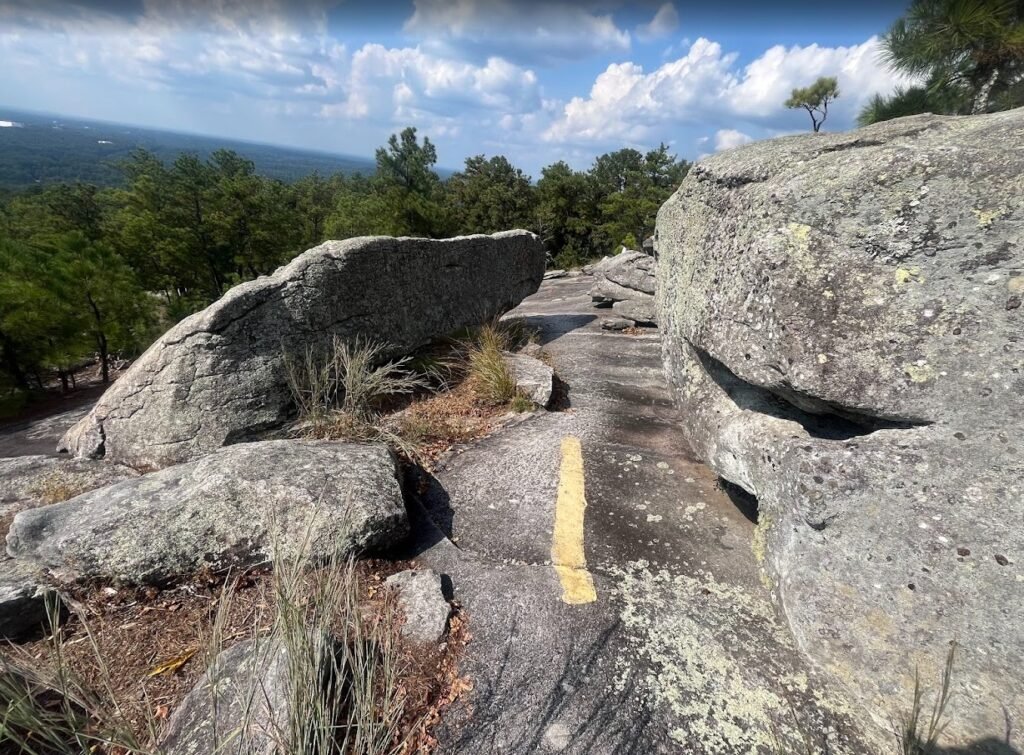
Most haunting of all was the Devil’s Crossroad—a massive slab of granite, four to six feet high
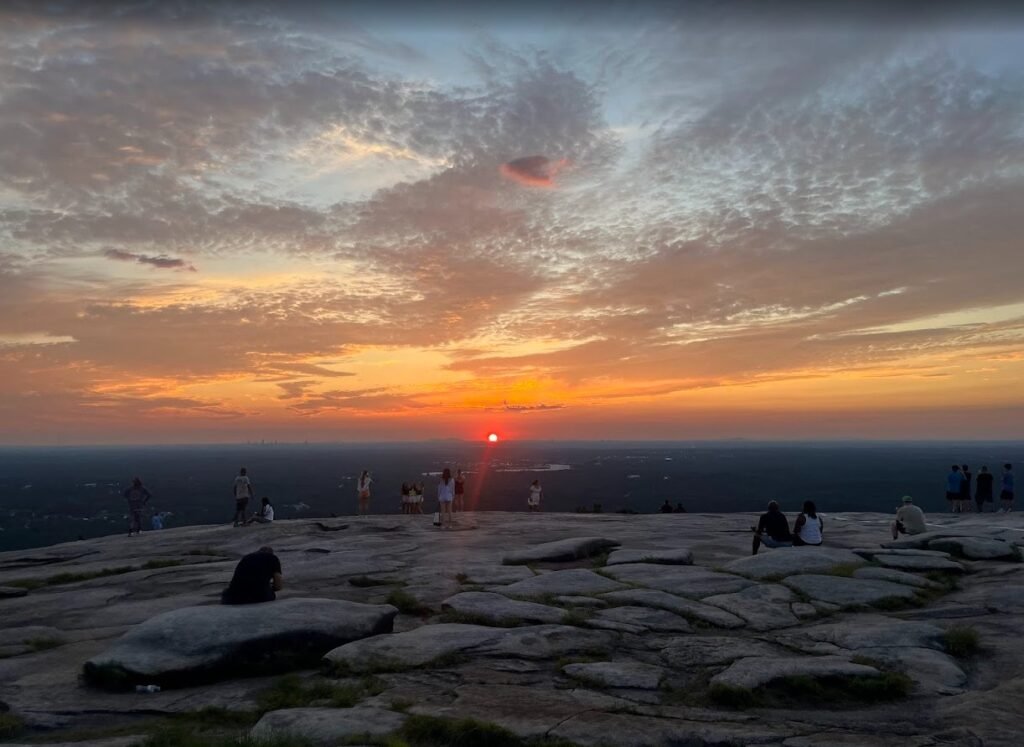
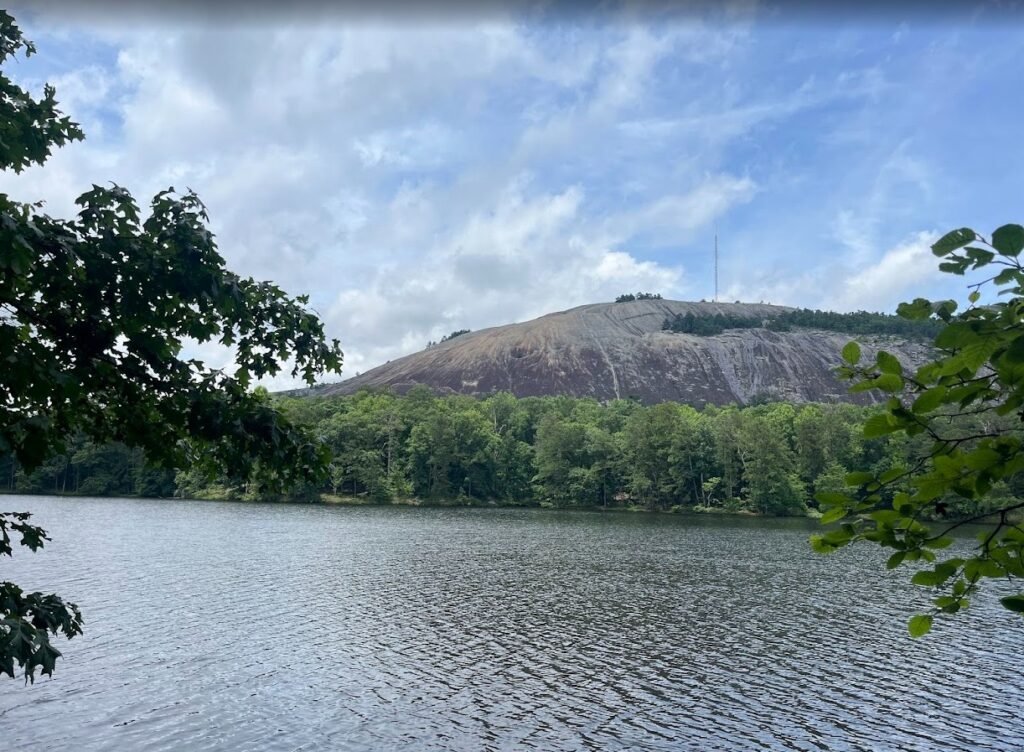
The top of Stone Mountain is a kind of pilgrimage.
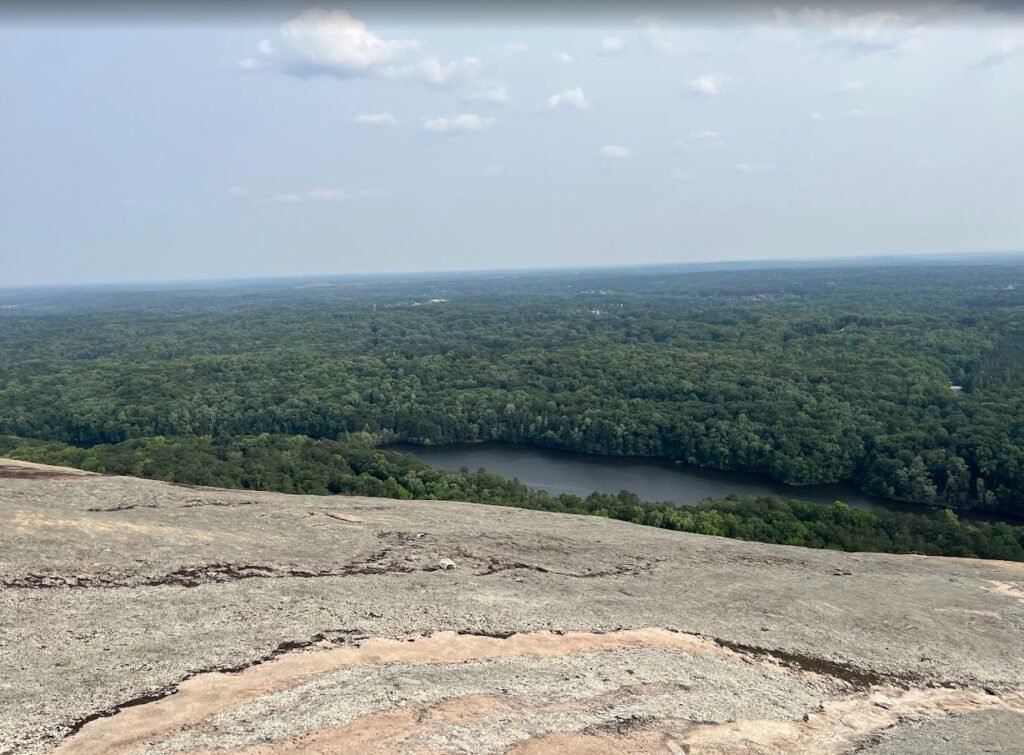
People come from far and wide—some for the climb, some for the sweat, and others just for the view. Standing there, high above the plains, it’s easy to believe you’ve reached something untouched—a pure piece of the world, unspoiled beneath your boots.
But the rock remembers.
In the 1850s, a man named Aaron Cloud, one of the town’s first dreamers, raised a 160-foot wooden tower at the summit. It swayed in the wind and scraped the sky. Poorly anchored, it toppled in a gale and was never rebuilt.
Human traces linger still.
There’s the chain-link fence keeping wanderers safe from the edge, the cables of the sky-lift that hum in the breeze, the visitor center below. But look closer—iron posts drilled into the granite, long ago used to winch supplies or steady the carving on the mountain’s north face.
And then there are the things that are gone.
A reflection pool once shimmered at the center of the crown—something like the one in Washington, D.C.—but it vanished without a trace, not even a marker left behind. Early travelers wrote of a low stone wall, four or five feet high, circling the summit like a crown. Its stones were thrown over the edge, one by one, then the rest hurled down on the sculptor’s orders when the carving began.
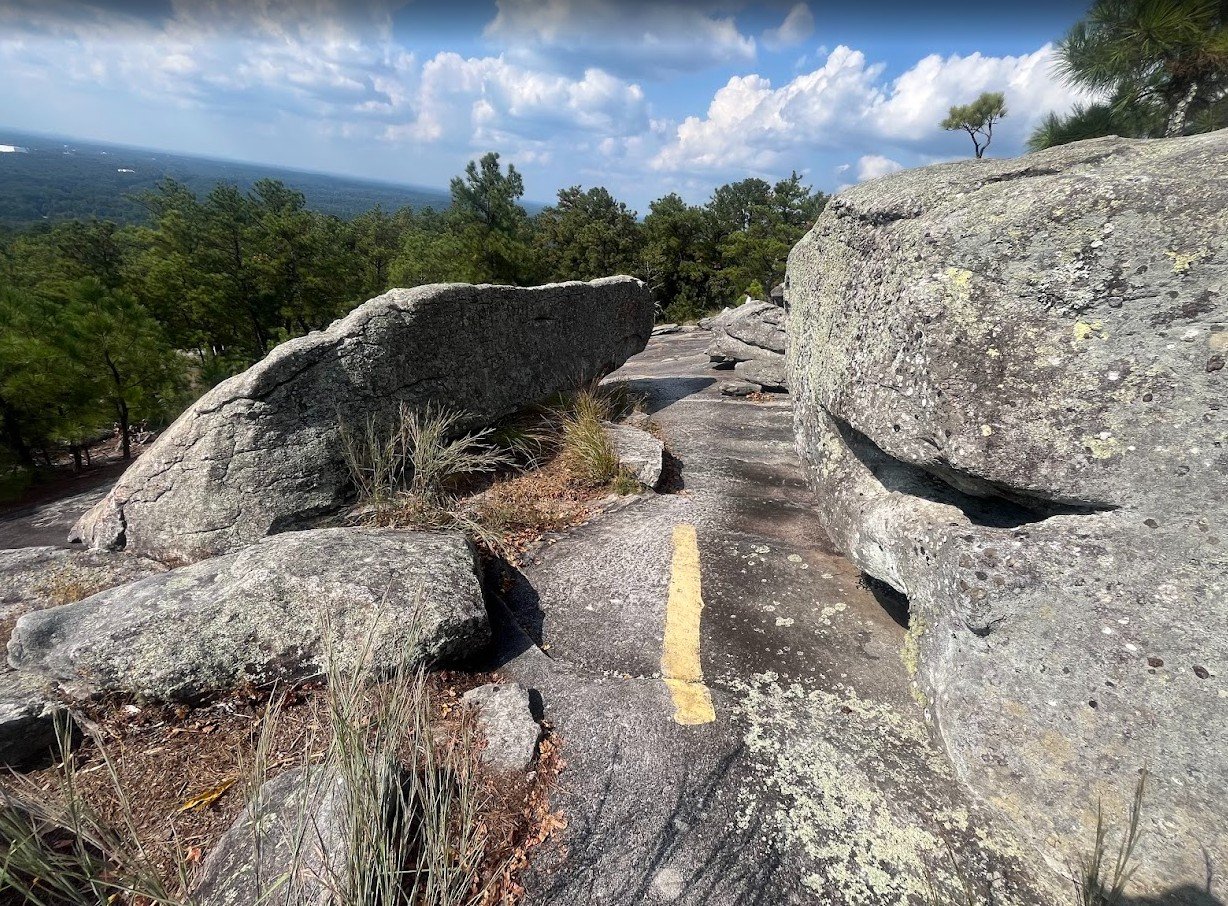
Most haunting of all was the Devil’s Crossroad—a massive slab of granite, four to six feet high, split by two deep cracks running north–south and east–west. You could walk through those clefts and climb to a caprock in the center, where folks once sat for lunch. The quarrymen broke it apart for building stone long ago.
That’s the one I miss most of all.